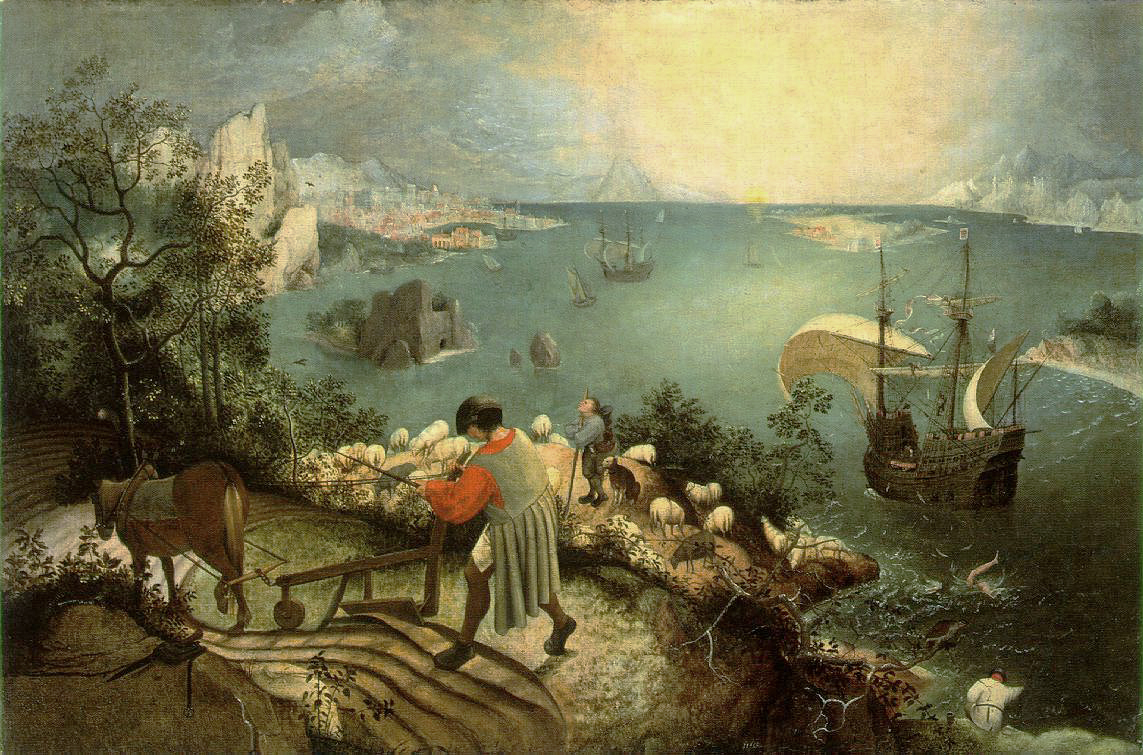
And now for the second installment in Malvern Books’ arbitrary and occasional Poetry Month A-Z series…
C is for Coleridge, and also constipation
The ice was here, the ice was there,
The ice was all around:
It cracked and growled, and roared and howled,
Like noises in a swound!At length did cross an Albatross,
Thorough the fog it came;
As if it had been a Christian soul,
We hailed it in God’s name.
 Were you forced to memorize lengthy bits of the dead albatross saga in school? Has this experience left you with less-than-fluffy feelings toward Samuel Taylor Coleridge? Let me offer you a little fecal schadenfreude (a phrase with exactly zero google results—until now!) by sharing with you poor Mr. Coleridge’s bowel tribulations.
Coleridge’s addiction to opium inspired some of his most famous poetry (like Kubla Khan, another poem you may have learned by rote), but it also caused terrible constipation. Here’s Coleridge’s diary account of a particularly gruesome bout, which occurred on a sea voyage from Gibraltar to Malta aboard the Speedwell:
Tuesday Night, a dreadful Labour, & fruitless throes, of costiveness—individual faeces, and constricted orifices. Went to bed & dozed & started in great distress.
The following day, “a day of horror,” the captain of the Speedwell had to flag down a passing ship and request that the ship’s surgeon come on board to tend to Coleridge:
The Surgeon instantly came, went back for Pipe & Syringe & returned & with extreme difficulty & the exertion of his utmost strength injected the latter. Good God!—What a sensation when the obstruction suddenly shot up!… At length went: O what a time!—equal in pain to any before. Anguish took away all disgust, & I picked out the hardened matter & after a while was completely relieved. The poor mate who stood by me all this while had the tears running down his face.
Lawks-a-lawdy! Alas, the enema—and its attendant humiliation—was to become a regular occurrence in Coleridge’s life. He knew the constipation was a side effect of his opium use, but he couldn’t kick the habit, and thus he came to see his rectal misfortunes as a punishment for his addiction.
To weep & sweat & moan & scream for parturience of an excrement with such pangs & such convulsions as a woman with an Infant heir of Immortality: for Sleep a pandemonium of all the shames and miseries of the past Life from earliest childhood all huddled together, and bronzed with one stormy Light of Terror & Self-torture. O this is hard, hard, hard.
D is for Davis, Olena Kalytiak
From the ridiculous to the sublime: I can’t say enough good things about the poetry of Olena Kalytiak Davis, and in particular her first collection, And Her Soul Out of Nothing, which won the 1997 Birmingham Prize in Poetry. Her poems are funny, brutal, and brilliant, and she manages that trick of conjuring universal meaning from something deeply idiosyncratic.
In Defense of Marriage
Marry the black horse stuck
Dumb in her humble corral.Marry the white fences; marry the fenceless
Moon and the defenceless sky.Marry the feedlot and the threshing
Floor. Like the northern heaven to the southernStars, marry the kitchen table, its three strong
Legs. Marry the gate and the small intricateCuts on the key and the view spreading
Outback. The streetlampWeds the morning light, like that, take the
Nomad. Promise to forsake. Give inTo the cistern full of asters.
To the way the belovedStory goes: her body from a bone.
And her soul out of nothing.In a slowly spoiling month find out
You have married the house wornBlue on the yellowing hill: each of its
Slow budding bedrooms. Marry one or twoOr three varieties of light, in three or four
Different lifetimes. I meant, windows.Mate, be forsaken.
I married the way moths marry.
I married hard.
 First up, you have to master the New Zealand accent. You must sound pleasant, earnest, and a bit dim, and you should probably mumble, because you are at all times discreetly dissolving that giant lump of mutton at the back of your throat. You should also speak with a rising inflection, so that everything you say sounds like a question. (Certainty is terribly impolite.) And keep your lips as close together as possible when you talk; remember, you are trying to keep the flies from entering your mouth.
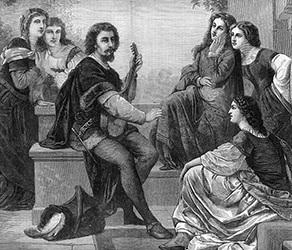 If a serenade is an evening love song, an aubade is its early bird equivalent. Aubades often recount tales of adulterous lovers who must part company as the sun comes up, and they were quite the thing in the freaky Middles Ages, when troubadours roamed the world, playing their annoying fiddles and reciting aubades to anyone who would listen. The aubade then passed out of fashion for a while—sixteenth-century poets preferred to bang on about unrequited love, which meant very little romping at dawn—but the form enjoyed a brief revival in the seventeenth century, with John Donne’s “
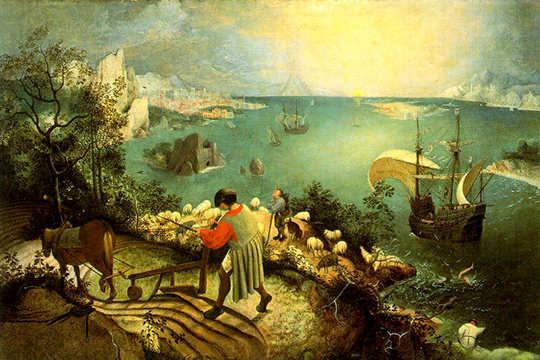 About suffering they were never wrong,
 There are four different bands that are generally referred to when discussing the origins of thrash/speed metal. This group has been given the nickname “The Big Four.” The four bands consist of Metallica, Megadeth, Slayer, and Anthrax. These bands are responsible for the birth of speed metal, as they were the first of their kind to emerge from the glam rock scene, which had consisted of more radio friendly, pop oriented groups such as Poison, Motley Crue, Cinderella, and Twisted Sister. When the Big Four began releasing their more aggressive, harder sounding style of metal, they gained a tremendous following in the metal underworld, which was growing tired of bands whose members were cross-dressers who would always sing about having sex or being in love. Of the four bands that make up the Big Four, Megadeth was the most prominent.